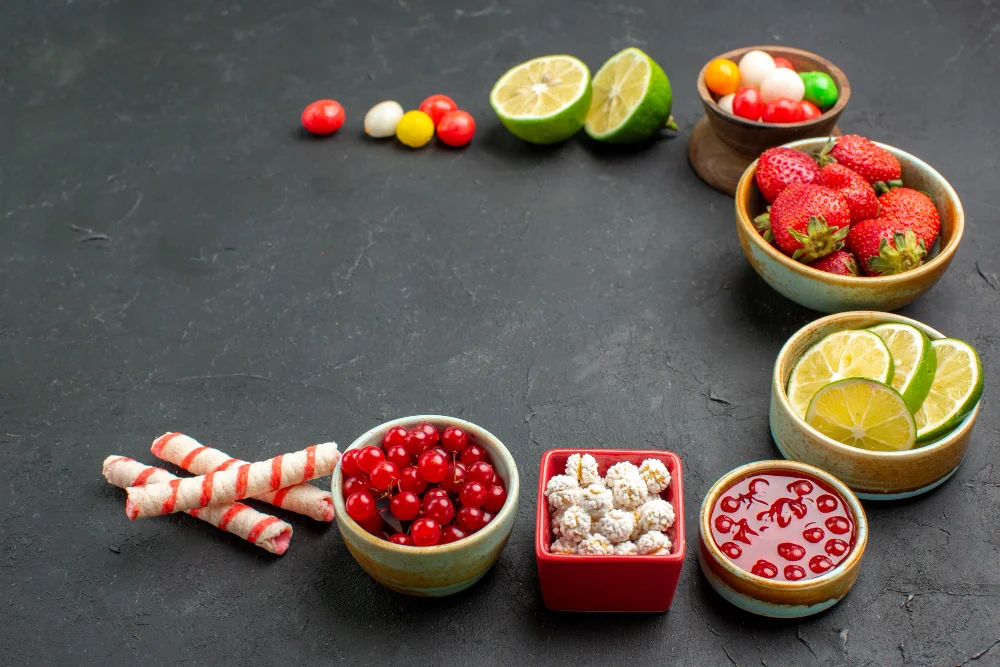
Jelly-making is a culinary art that has captivated home cooks and food enthusiasts for generations. Whether you’re a beginner eager to explore homemade jelly recipes or an experienced cook seeking new jelly recipe ideas, “www.recipes jelly.com recipesjelly.com” is your ultimate destination. This guide will walk you through everything you need to know about jelly making, from understanding the basics to exploring creative variations and troubleshooting common issues.
Introduction to Jelly Making
Jelly is a beloved staple in many households, cherished for its sweet taste and versatility. Unlike jam, which uses the whole fruit, jelly is made from fruit juice, giving it a smooth and clear texture. The process of creating jelly involves selecting the right fruits, understanding the role of pectin, and mastering the art of setting.
In this article, we will delve into traditional and innovative jelly recipes, offer tips for perfecting your homemade jelly, and explore various dietary adaptations. Whether you’re interested in sugar-free jelly recipes or exploring unique artisan flavors, this comprehensive guide has you covered.
See also Weber Grillvorführung 2025: A Free Learning Opportunity You Shouldn’t Miss
Understanding Jelly
What is Jelly?
Jelly is a gelatinous spread made from fruit juice, sugar, and pectin. Unlike other fruit preserves, jelly is known for its smooth and clear consistency. It is often used as a spread on bread, as a filling for pastries, or as a glaze for meats.
Jelly vs. Jam: Key Differences
While both jelly and jam are fruit preserves, they differ in texture and preparation:
- Jelly: Made from fruit juice, resulting in a smooth texture.
- Jam: Made from crushed fruit or fruit pulp, creating a chunkier consistency.
Understanding these differences can help you decide which type of preserve best suits your culinary needs.
Essential Ingredients and Tools
Pectin and Its Role
Pectin is a natural thickening agent found in fruits. It is crucial for achieving the desired gel-like consistency in jelly. Some fruits, like apples and citrus, are naturally high in pectin, while others may require additional pectin to set properly.
Best Fruits for Jelly
Choosing the right fruit is essential for successful jelly making. Here are some popular choices:
- Apples: High in pectin, making them ideal for jelly.
- Berries: Such as strawberries, blueberries, and raspberries.
- Grapes: Concord grapes are a classic choice.
- Citrus: Lemons and oranges add a tangy flavor.
Tools Needed
- Large Pot: For boiling the fruit and sugar mixture.
- Strainer or Jelly Bag: To separate juice from pulp.
- Canning Jars: For storing the finished jelly.
- Thermometer: To monitor the boiling point and ensure proper setting.
Step-by-Step Guide to Making Jelly
Preparation and Sterilization
Before making jelly, it’s important to sterilize your jars and lids to prevent contamination. Boil them in water for at least 10 minutes and let them dry completely.
Cooking and Setting Process
- Extract Juice: Simmer the fruit with water and strain through a jelly bag.
- Boil Ingredients: Combine juice with sugar and pectin in a pot. Bring to a rolling boil.
- Test for Setting: Use a thermometer to check the temperature. Jelly sets at around 220°F (104°C).
- Pour and Seal: Once set, pour into sterilized jars and seal immediately.
Storing and Preserving Jelly
Store your homemade jelly in a cool, dark place. Properly sealed jars can last up to a year. Once opened, refrigerate and use within a month.
Creative Jelly Recipes
Traditional Flavors
- Grape Jelly: A classic favorite, perfect for PB&J sandwiches.
- Apple Jelly: A versatile choice with a hint of tartness.
- Berry Medley Jelly: Combine different berries for a unique blend.
Unique and Exotic Variations
- Mango Chili Jelly: A spicy twist on a tropical fruit.
- Lavender Lemon Jelly: Infuse floral notes for a gourmet touch.
- Cranberry Orange Jelly: Ideal for festive occasions.
Dietary-Specific Recipes
- Vegan Jelly: Use agar-agar as a gelatin substitute.
- Keto-Friendly Jelly: Replace sugar with erythritol or stevia.
- Sugar-Free Jelly: Sweeten with fruit juice concentrates.
Troubleshooting Common Issues
Why Didn’t My Jelly Set?
- Insufficient Pectin: Use fruits high in pectin or add commercial pectin.
- Incorrect Boiling Temperature: Ensure the mixture reaches 220°F.
- Overcooked or Undercooked: Follow timing precisely.
Fixing Overly Sweet or Tart Jelly
- Adjust Sugar Levels: Taste and modify sugar during preparation.
- Add Acid: Balance sweetness with lemon juice or vinegar.
Nutritional Information and Benefits
Health Benefits of Homemade Jelly
- Natural Ingredients: Control over sugar and additives.
- Rich in Vitamins: Depending on the fruit used.
- Low-Calorie Options: When made with sugar alternatives.
Calorie and Sugar Content
Homemade jelly can be tailored to fit dietary needs. Sugar-free versions have significantly fewer calories, making them a healthier choice for those watching their intake.
Conclusion
Embarking on the journey of making jelly at home is both rewarding and fulfilling. With the insights and recipes provided in this guide, you’re equipped to create delicious homemade jellies that cater to various tastes and dietary needs. Whether you prefer traditional flavors or wish to try something new, these jelly recipes offer endless possibilities.
Ready to get started? Explore the delightful world of jelly recipes at “www.recipes jelly.com recipesjelly.com” and share your creations with friends and family. Happy jelly making!
FAQ
How do I make jelly without pectin?
Use fruits naturally high in pectin, like apples or citrus, and cook longer to achieve the desired consistency.
What are the best fruits for making homemade jelly?
Apples, grapes, berries, and citrus are excellent choices due to their natural pectin content.
How can I make jelly sets properly?
Ensure the boiling mixture reaches 220°F and use the correct amount of pectin.
Can jelly be made without sugar?
Yes, use natural sweeteners like stevia or fruit juice concentrates for a sugar-free version.
What are some unique jelly flavor combinations?
Try mango chili, lavender lemon, or cranberry orange for a gourmet twist.