When it comes to safety, there’s no room for compromise. Whether you’re a construction worker, a small business owner, or a DIY enthusiast, having the right safety equipment is crucial. But how do you determine what the “best” safety equipment is for your needs? This guide will help you navigate the essentials of safety gear, offering insights into various types and helping you make informed decisions.
Understanding Safety Equipment Categories
Safety equipment can be broadly categorized into several types, each serving a unique purpose. Personal Protective Equipment (PPE) is a primary category, encompassing items like hard hats, safety gloves, and respirators. These are designed to protect individuals from specific hazards, such as falling objects or harmful chemicals.
Then there’s fire safety equipment, which includes fire extinguishers and smoke detectors. These are critical in preventing and managing fire-related emergencies. Industrial safety gear, on the other hand, often involves more specialized equipment like high-visibility clothing and fall protection systems, tailored to the needs of specific industries.
Choosing the Right Safety Equipment
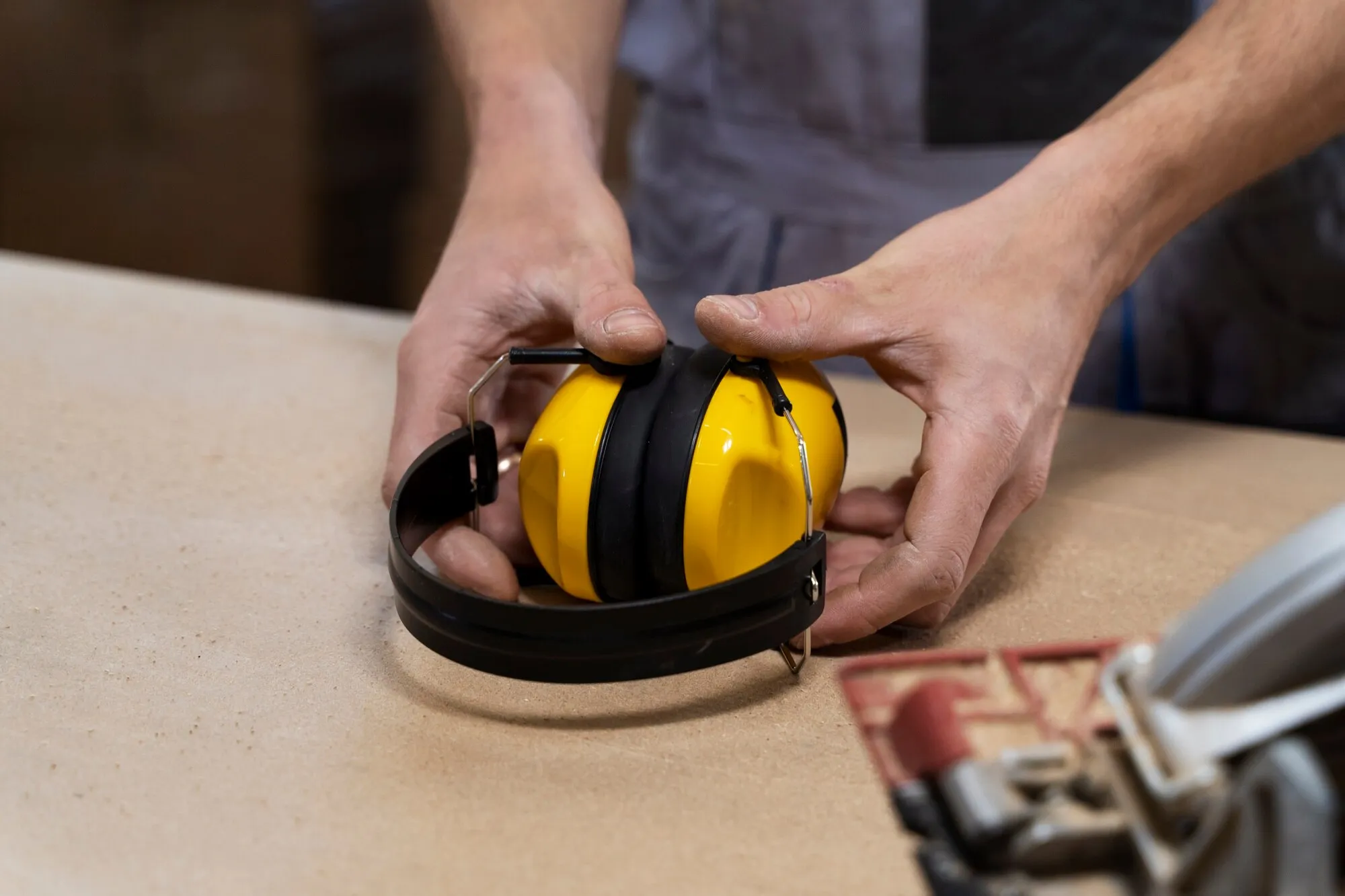
How do you choose the safety equipment that’s right for you? Start by assessing the specific risks associated with your workplace or project. Are you working at heights? You might need a safety harness. Are you dealing with loud machinery? Ear protection becomes essential. It’s about matching the equipment to the potential hazards you face.
Understanding safety standards is also crucial. Look for equipment that complies with recognized standards such as OSHA or ANSI. Compliance ensures that the equipment has been tested and meets certain safety criteria, providing you with peace of mind.
Maintenance: The Key to Longevity
Once you’ve acquired the best safety equipment, maintenance becomes key. Regular inspections are necessary to ensure that your gear remains effective. For instance, safety helmets should be checked for cracks, while respirators need regular filter changes.
Proper storage is also important. Most safety equipment should be stored in a dry, cool place to prevent deterioration. Following the manufacturer’s care instructions can significantly extend the life of your equipment, saving you money in the long run.
Brands You Can Trust
In the realm of safety equipment, certain brands stand out due to their reputation for quality and reliability. Companies like 3M, Honeywell, and MSA Safety are renowned for their innovative and durable products. When selecting safety gear, considering these brands can be a wise choice.
Embracing Emerging Technologies
Safety equipment is not immune to technological advancements. Smart safety gear, integrated with sensors and connectivity features, is becoming increasingly popular. These devices can offer real-time hazard detection and monitoring, adding an extra layer of protection.
AI is also making its mark, with predictive analytics helping to anticipate and mitigate risks before they occur. While these technologies may come at a premium, they represent the future of workplace safety.
Considering the Environmental Impact
Sustainability is a growing concern in every industry, and safety equipment is no exception. Eco-friendly products, made from recycled materials or designed to minimize waste, are gaining traction. Opting for these can help reduce your environmental footprint while still providing effective protection.
Safety Equipment FAQs
- What is the most essential piece of safety equipment? It depends on the specific risks of your environment. However, PPE like hard hats and safety gloves are commonly considered essential.
- How often should I replace my safety gear? This varies by equipment type. For instance, PPE should be replaced as soon as it shows signs of wear, while fire extinguishers need regular servicing.
- Are there regulations for safety equipment? Yes, many countries have specific regulations and standards, such as OSHA in the U.S., that safety equipment must adhere to.
- Can I use the same safety equipment for different tasks? Some equipment is versatile, but it’s important to ensure it’s suitable for each specific hazard.
- How do I maintain my safety equipment? Follow the manufacturer’s guidelines, store items properly, and perform regular inspections to ensure longevity.
Choosing the best safety equipment is more than just buying a product; it’s about investing in the well-being of yourself and those around you. By understanding the types of equipment available, assessing your needs, maintaining your gear, and staying informed about emerging technologies, you can create a safer environment. So, take the time to evaluate your options carefully, and ensure that your safety measures are up to par. Your safety, and the safety of others, depends on it.
Now is the time to review your current safety equipment and make any necessary upgrades. Consider what risks you face and ensure your gear is up to the task. Your peace of mind — and your safety — are worth the investment.