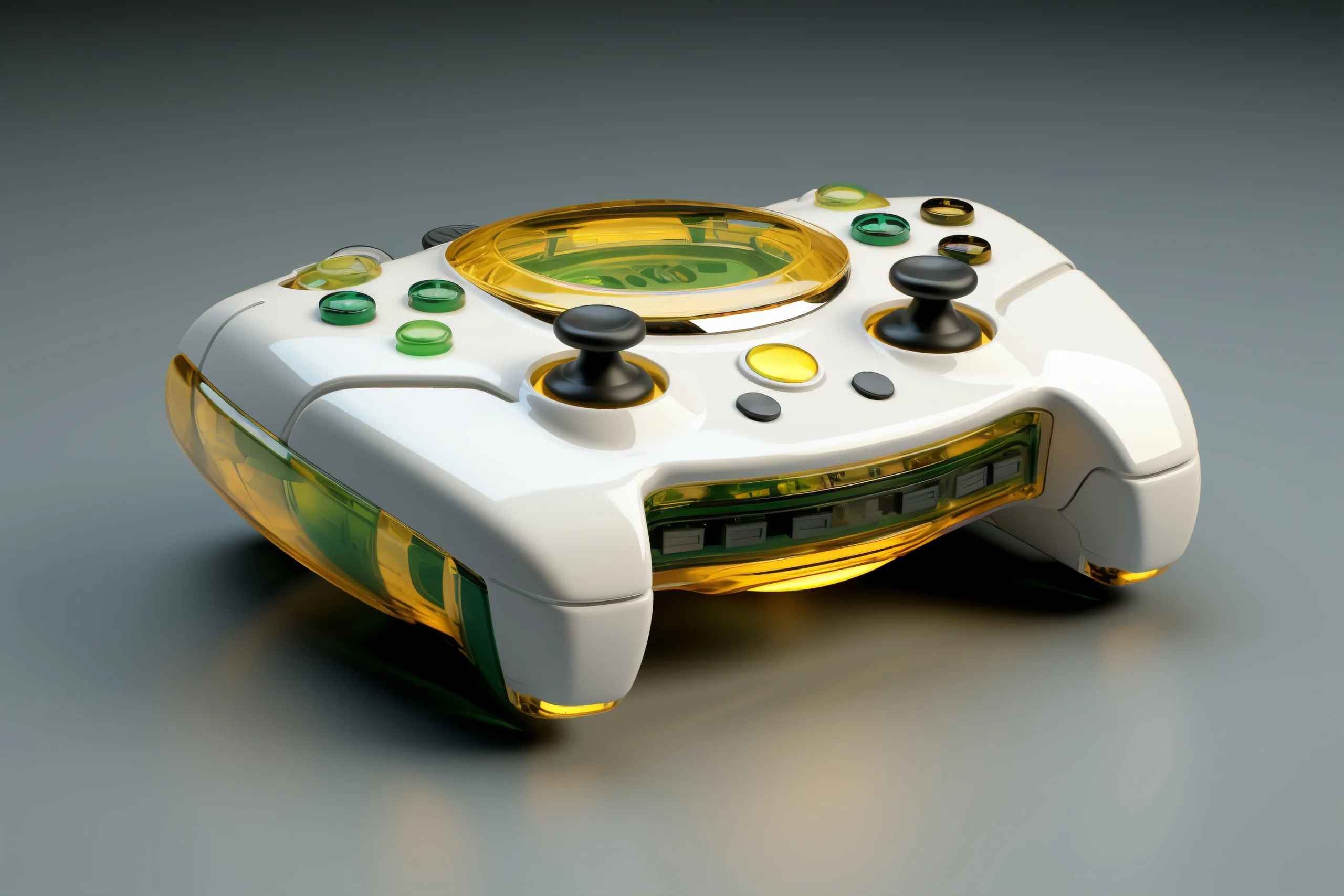
If your HSSGamepad suddenly stops responding, disconnects randomly, or refuses to pair, there’s a good chance the issue isn’t the controller itself—but the connector behind it. The “connector HSSGamepad” isn’t just a small technical detail; it’s the bridge that makes your entire gaming experience possible.
Understanding how it works—and what can go wrong—can save you time, money, and frustration.
What is the HSSGamepad Connector?
The connector in an HSSGamepad is the component responsible for linking the controller to your device. Depending on the model, this connection can be:
- Wired (USB connector)
- Wireless (Bluetooth or proprietary dongle)
- Internal connector (between board and battery or buttons)
Each type serves the same purpose: ensuring signals travel smoothly between your inputs and the system.
Why the Connector is So Important
A gamepad might look fine from the outside, but if the connector isn’t working properly, everything falls apart.
Here’s what the connector actually handles:
- Transfers input signals (buttons, triggers, joystick movement)
- Maintains stable power flow (in wired or charging mode)
- Enables pairing and communication (in wireless models)
Even a small fault—like a loose pin or worn-out port—can cause noticeable issues like lag, ghost inputs, or total disconnection.
Common Problems with HSSGamepad Connectors
Most users only notice the connector when something goes wrong. These are the most common issues:
1. Loose or Worn-Out USB Port
Frequent plugging and unplugging can weaken the port over time.
You might notice the controller only works at a certain angle.
2. Faulty Cable or Dongle
Sometimes the connector itself is fine, but the cable or receiver is damaged.
This often leads to intermittent connection.
3. Internal Connector Damage
Inside the controller, small ribbon cables connect different components.
A drop or impact can loosen these without visible damage.
4. Dust and Debris
Tiny particles inside the port can block proper contact.
This is especially common if the controller is used in dusty environments.
How to Fix Connector Issues
Before replacing your controller, try a few practical fixes.
Clean the Connector
Use a soft brush or compressed air to remove dust from the port.
Avoid using water or metal objects.
Try a Different Cable or Port
If you’re using a wired connection, switch cables or USB ports to isolate the issue.
Check for Physical Damage
Look closely at the connector:
- Bent pins
- Loose fit
- Visible wear
If you see any of these, repair or replacement may be needed.
Reconnect or Re-pair
For wireless models, reset the connection:
- Remove the device from Bluetooth settings
- Pair it again from scratch
When Replacement is the Better Option
Not every connector issue is worth fixing. If you’re dealing with:
- Repeated disconnections even after cleaning
- Physically broken USB port
- Internal damage after a fall
…it’s often more practical to replace the connector (if repairable) or the controller itself.
For users comfortable with basic electronics, replacing a USB connector or internal cable is possible—but it requires precision and the right tools.
Real-World Tip: Preventing Connector Damage
Most connector problems come from daily habits, not defects.
A few simple changes can extend your controller’s life:
- Avoid pulling the cable at an angle
- Don’t force the connector into the port
- Store the controller in a clean, dry place
- Use a dedicated cable instead of swapping frequently
These small steps reduce wear significantly over time.
Final Thoughts
The connector in an HSSGamepad might seem like a minor part, but it plays a central role in performance and reliability. When it fails, the entire gaming experience suffers.
Instead of immediately replacing your controller, take a closer look at the connector. In many cases, a simple fix—like cleaning or changing the cable—can bring it back to life.
And if the damage is beyond repair, at least you’ll know exactly where the problem started—and how to avoid it next time.