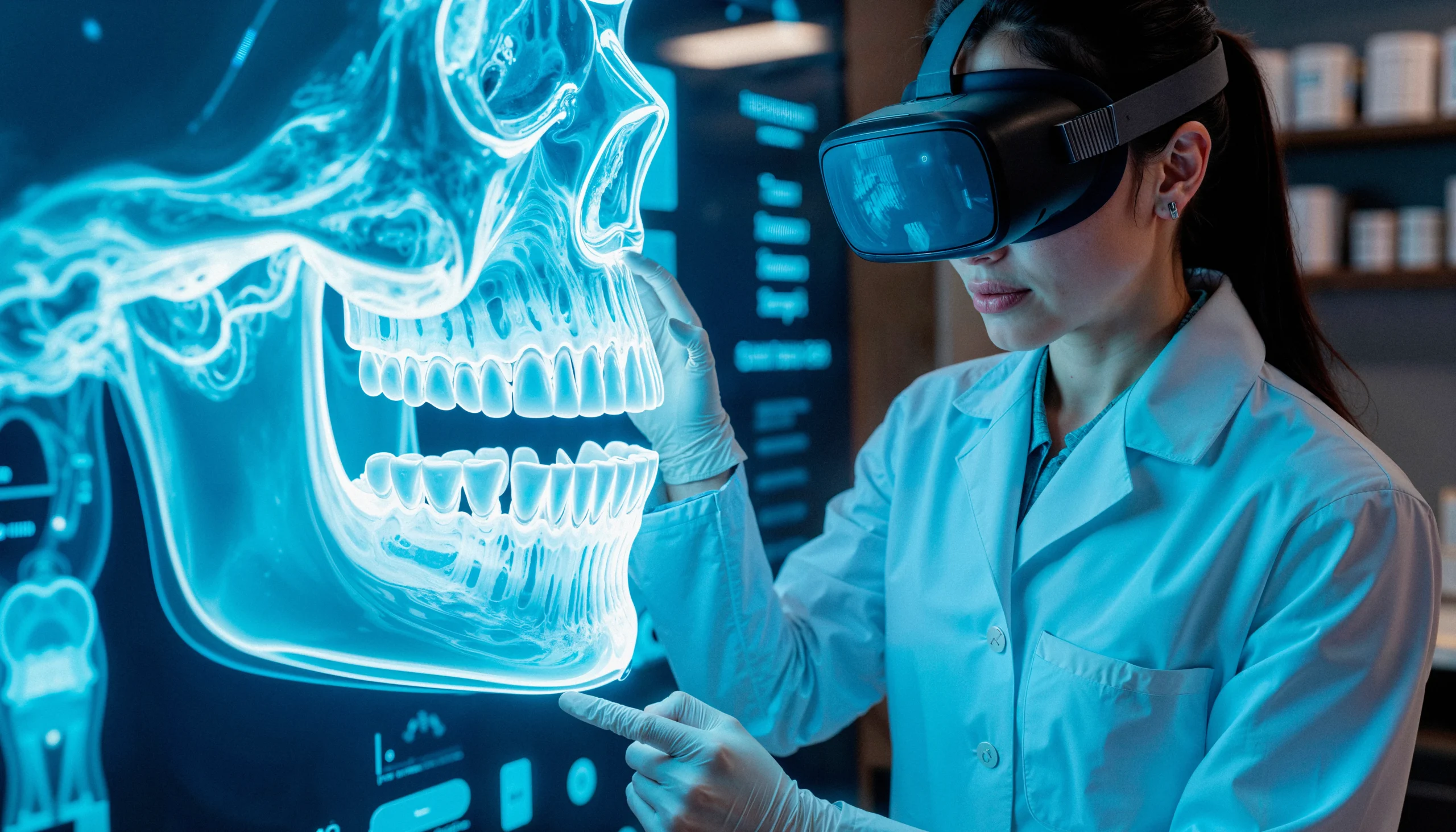
Dentistry is changing in ways that are easy to miss if you’re only looking at new tools or equipment. The real shift is happening behind the scenes—in how dentists analyze problems, make decisions, and plan treatments. This is where nerovet AI dentistry is starting to play an important role.
Instead of relying only on human observation and experience, dentists now have access to intelligent systems that can process large amounts of data in seconds. The goal isn’t to replace clinical expertise, but to strengthen it with deeper insight and more consistent analysis.
What Is Nerovet AI Dentistry?
Nerovet AI dentistry refers to the use of advanced artificial intelligence systems that assist dentists in diagnosing and planning treatments. These systems are designed to mimic human thinking patterns while learning continuously from data.
It combines two important elements:
- Neural-based AI systems that recognize patterns in dental images and records
- Experienced clinical reasoning that guides final treatment decisions
In simple terms, it’s like giving dentists a highly trained digital assistant that never gets tired and can quickly analyze details that might otherwise be missed
How Nerovet AI Dentistry Works in Practice
AI in dentistry is not just a theory anymore. It is already being used in clinics to improve daily tasks and patient outcomes.
Early Detection of Dental Issues
One of the biggest advantages of AI is its ability to detect problems at a very early stage.
By analyzing X-rays, 3D scans, and digital images, AI can identify:
- Tiny cavities before they become serious
- Early signs of gum disease
- Subtle bone loss around teeth
These are issues that can sometimes be difficult to notice, especially in busy clinical settings. AI provides a second layer of review, helping dentists catch problems sooner.
Smarter and More Accurate Treatment Planning
Treatment planning often depends on experience, but AI adds data-driven support.
With nerovet AI dentistry, systems can:
- Compare a patient’s condition with thousands of past cases
- Predict how a dental issue might progress over time
- Suggest treatment options based on successful outcomes
This helps dentists make more informed decisions, particularly in complex cases where multiple treatment paths are possible.
Better Communication with Patients
Many patients feel confused or uncertain about dental treatments. Technical explanations can be hard to understand.
AI tools help by:
- Highlighting problem areas clearly on scans
- Creating visual representations of dental conditions
- Explaining treatment steps in a simple, visual way
When patients can actually see what’s happening in their mouth, they are more likely to trust the diagnosis and agree to treatment.
Why Nerovet AI Dentistry Is Gaining Attention
Dentists are not adopting AI just because it’s new. They are using it because it solves real problems.
Some of the key benefits include:
- Consistency: AI evaluates every case with the same level of focus
- Speed: Analysis that might take time can be done in seconds
- Confidence: Dentists can confirm their decisions with additional data
- Efficiency: Workflows become smoother and more organized
This combination allows dentists to spend less time on analysis and more time focusing on patient care.
The Role of the Dentist in an AI-Driven Environment
Even with advanced AI systems, the dentist remains at the center of care.
Dentistry is not only about identifying problems. It also involves understanding the patient as a person. Factors like fear, pain tolerance, habits, and expectations all influence treatment decisions.
AI cannot replace:
- Human judgment
- Clinical experience
- Emotional understanding
- Patient communication
The most effective approach is a balanced one, where AI supports the technical side and dentists handle the human side.
Challenges and Limitations
While nerovet AI dentistry offers many advantages, it also comes with challenges that need careful consideration.
Data Quality and Accuracy
AI systems depend heavily on the data they are trained on. If the data is incomplete or inaccurate, the results may not be reliable.
Cost of Implementation
Advanced AI tools can be expensive, especially for smaller clinics. This can slow down widespread adoption.
Learning Curve for Dentists
Dentists need time to understand how to use these systems effectively. Trust in AI does not happen instantly—it builds over time with experience.
Privacy and Data Security
Patient data must be handled responsibly. Clinics need strong systems in place to protect sensitive information.
A Practical Example of Nerovet AI Dentistry
Consider a patient who visits the dentist with mild tooth sensitivity. There are no obvious signs of damage during a basic check-up.
With AI-assisted imaging:
- Small, early-stage decay is detected
- The system highlights areas at risk
- A progression risk score is generated
The dentist now has deeper insight and can recommend early treatment. This often leads to simpler, less invasive procedures and better long-term outcomes.
The Future of Nerovet AI Dentistry
The use of AI in dentistry is still growing, but its direction is clear.
In the coming years, we can expect:
- Highly personalized treatment plans based on individual data
- Real-time diagnostic support during patient visits
- Better integration with digital records and imaging systems
- More accessible AI tools for clinics of all sizes
As technology improves, these systems will likely become a standard part of dental care rather than an optional tool.
Conclusion
Nerovet AI dentistry represents a meaningful shift in how dental care is delivered. It brings together advanced technology and human expertise to improve accuracy, efficiency, and patient understanding.
It does not replace dentists, nor should it. Instead, it supports them by providing deeper insights and more reliable analysis.